
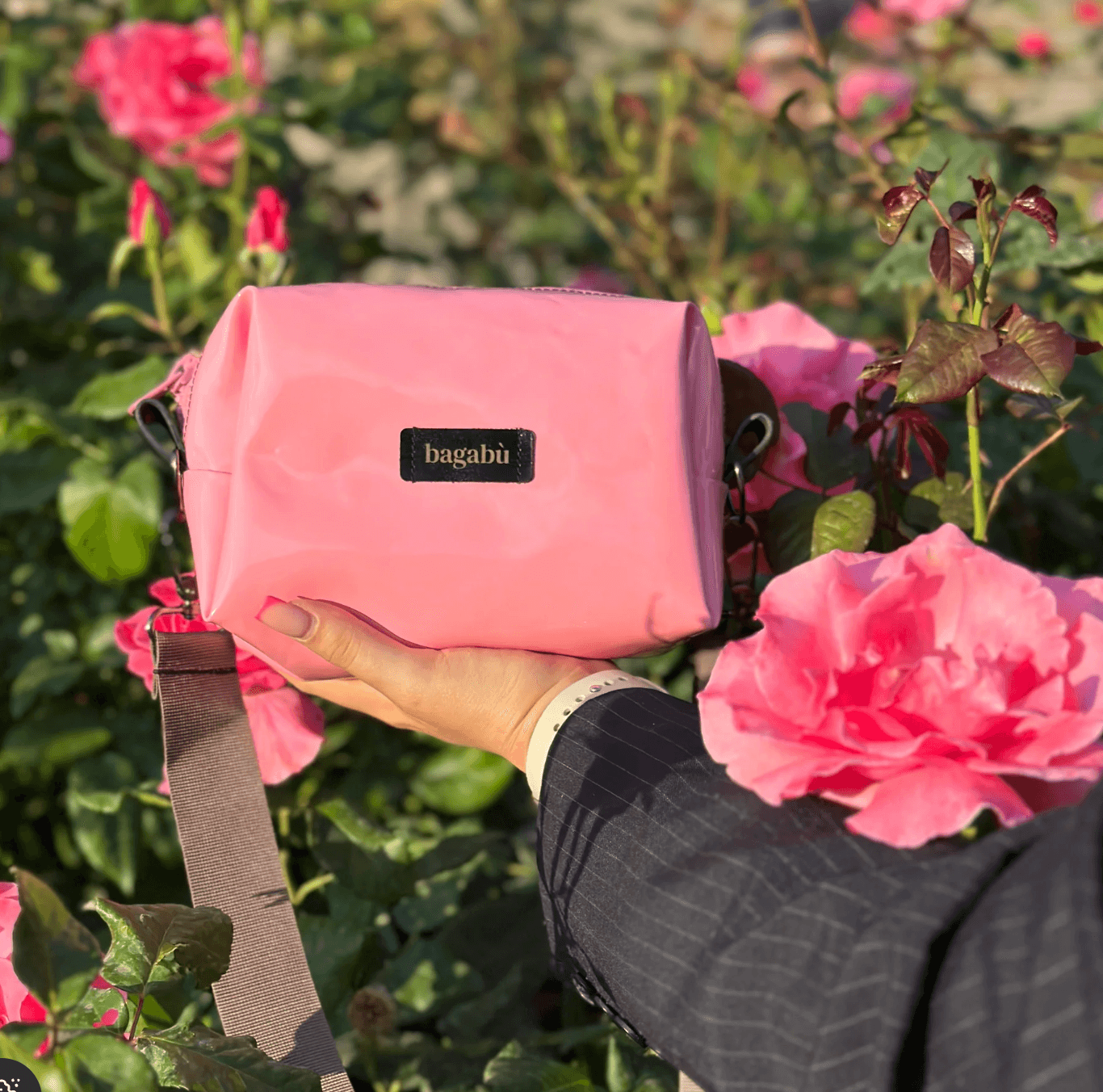
Is Bagabu Ethical? Sustainable Apparel
A sustainable fashion brand crafting handmade bags from textile leftovers, proving that style doesn't need excess.
Bagabu is a apparel brand based in Copenhagen, Denmark, curated by Purpose Picks for its commitment to sustainability, circular economy. A sustainable fashion brand crafting handmade bags from textile leftovers, proving that style doesn't need excess.
Impact
- Location
- Copenhagen, Denmark
- Ships to
- Worldwide
- Founded
- 2015
Featured Products
Why We Picked Them
In 2024 alone, they sold a thousand bags and saved 400 kg of textile waste. Each bag is handmade on demand, a deliberate choice that avoids overproduction and ensures nothing sits unsold in a warehouse.
Read the full story on Substack →Frequently Asked Questions
- Is Bagabu ethical?
- Purpose Picks lists Bagabu under sustainability and circular economy after editorial review, which is curation rather than certification. Handcrafted bags made from textile leftovers, founded in Italy in 2015. Bagabu states commitments including textile waste reduction, made-on-demand, upcycling workshops. Purpose Picks has not published an independent assessment of Bagabu's labour or environmental practices, so treat those commitments as the brand's own account.
- Is Bagabu legit?
- Yes. Bagabu is an operating apparel brand based in Copenhagen, Denmark, founded in 2015 and featured in Purpose Picks issue #18 after editorial review of its social and environmental impact.
- Where is Bagabu based?
- Bagabu is based in Copenhagen, Denmark and ships to: Worldwide.
- What does Bagabu sell?
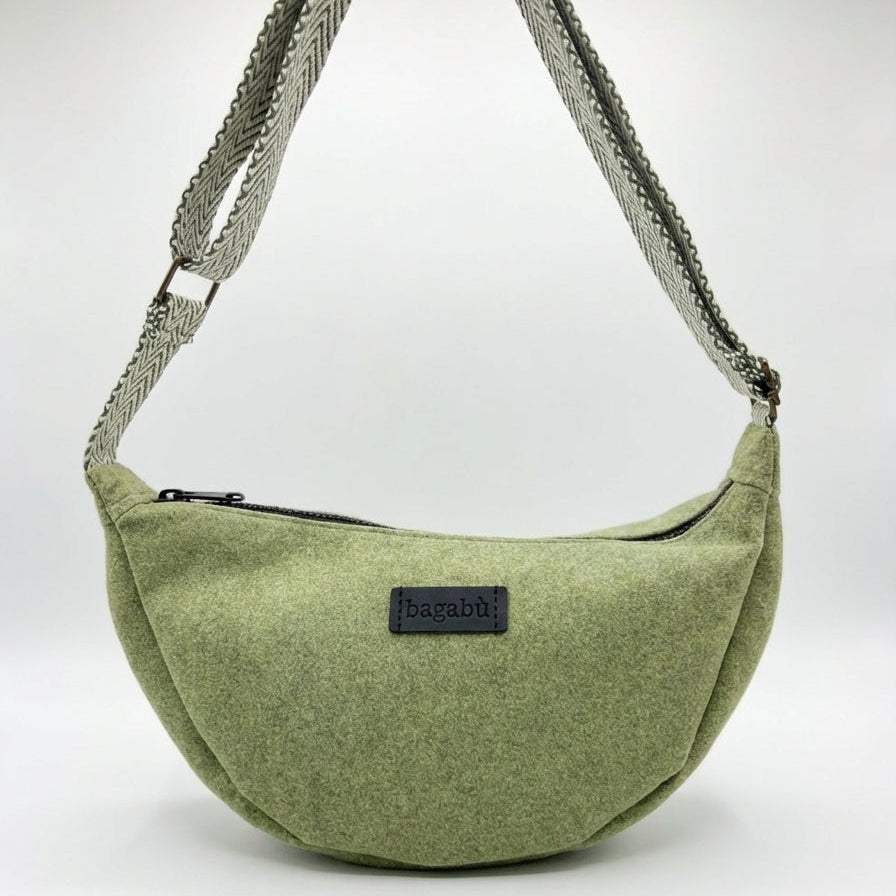
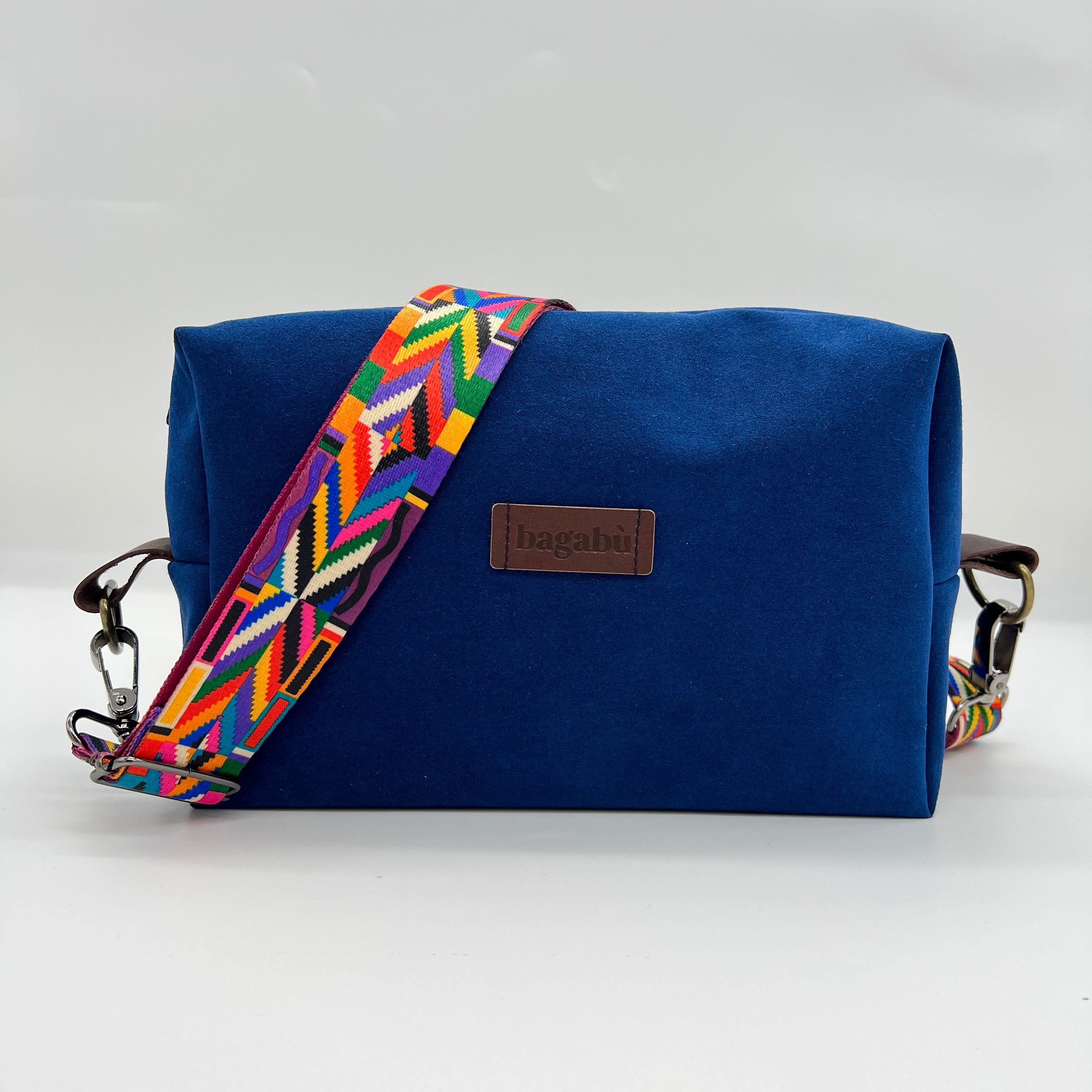
- Bagabu makes apparel products. Featured picks: Banana Bag, Blue Rambler Bag.
Related Brands

Runamics
Planet-friendly running and sportswear built on Cradle to Cradle materials, fair production, and repair instead of replacement.
BikeFlip
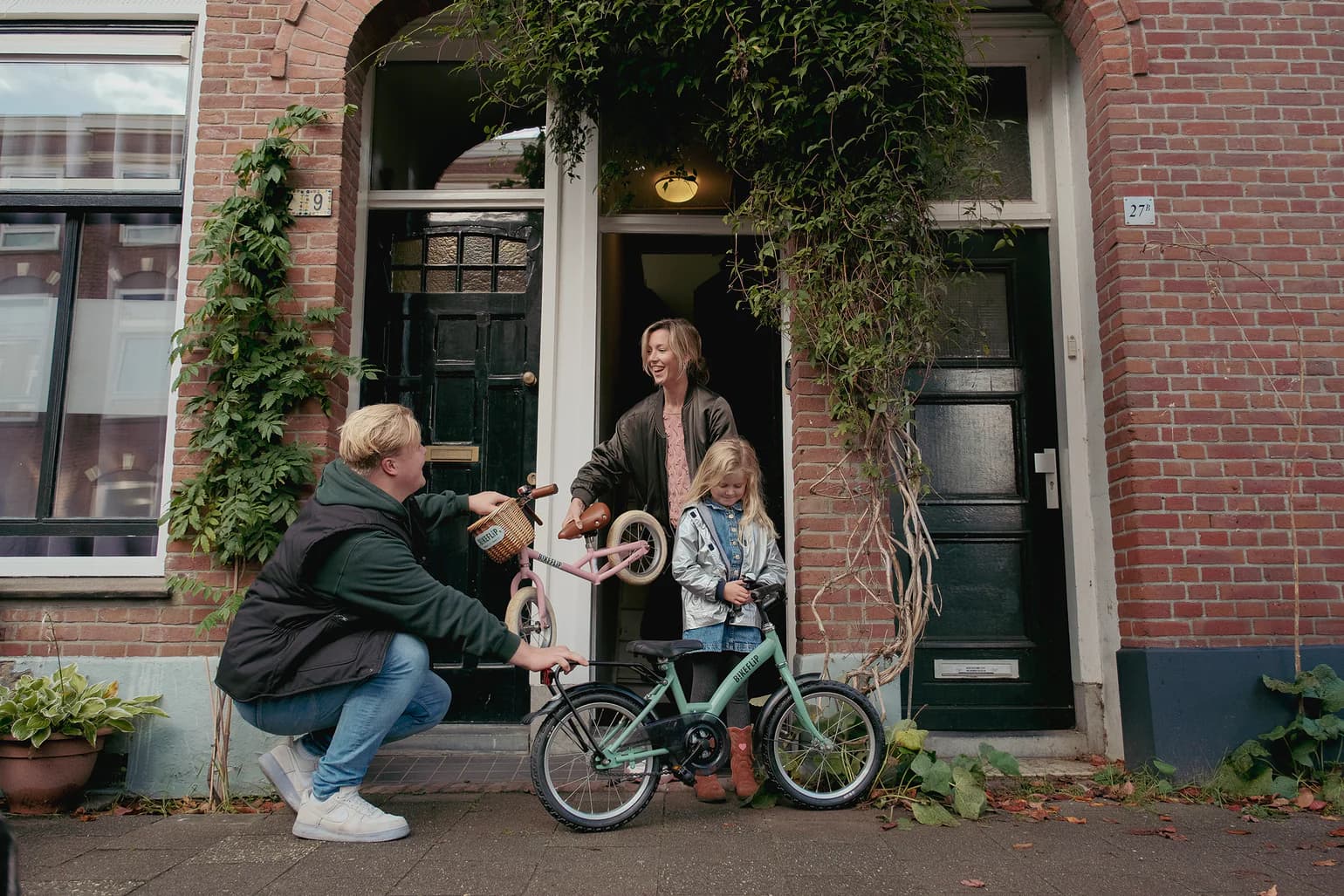
A circular children’s bike subscription service refurbishing, repairing, and exchanging bikes so children can keep riding while bikes stay in use for longer.
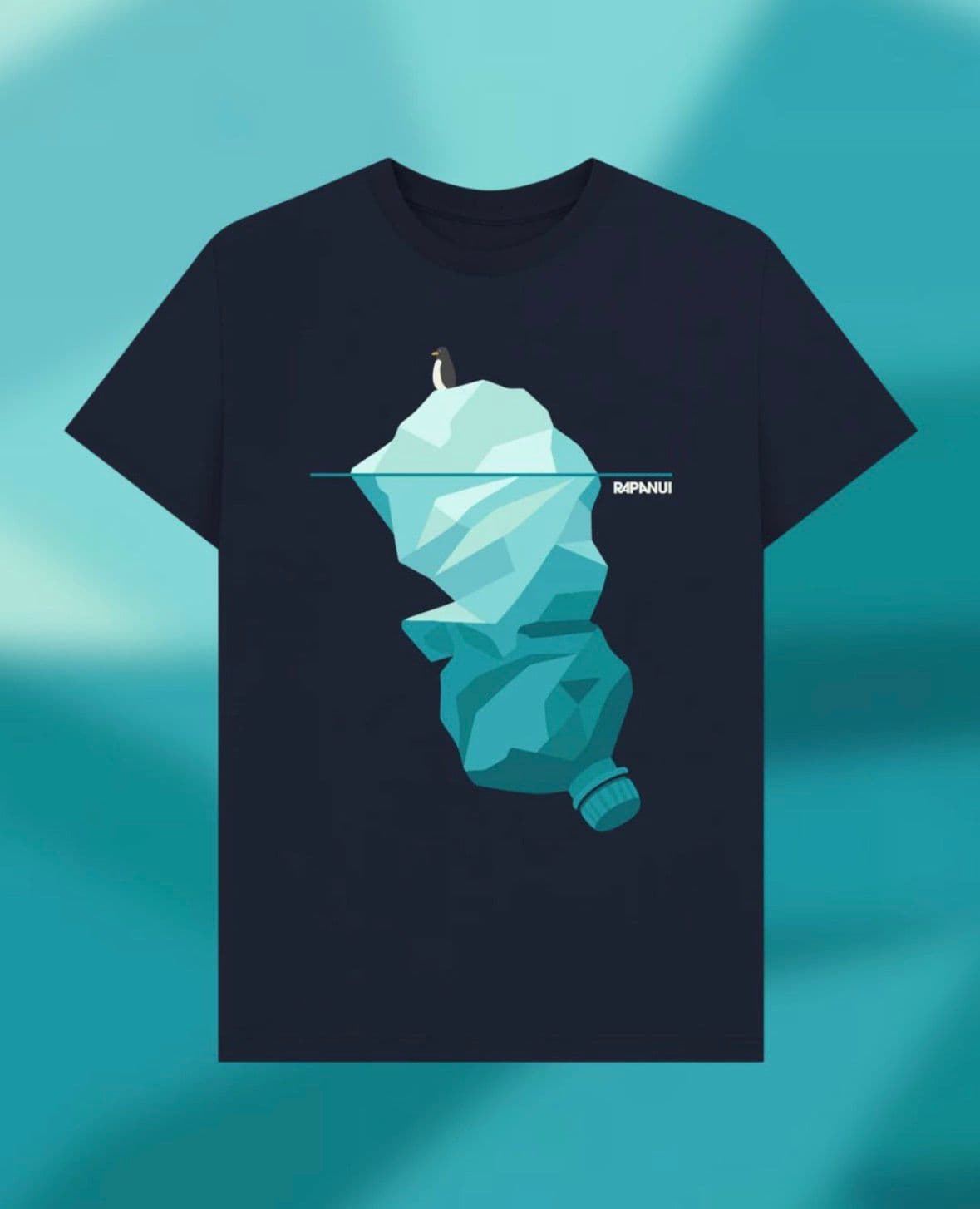
Rapanui
An Isle of Wight clothing brand creating everyday pieces from organic, recycled, and recovered materials, designed to be worn, returned, and made again.